
Every year the San Jose International Short Film Festival watches hundreds of short films from filmmakers around the world. The ones that stand out aren’t always the biggest productions. Often they’re the films whose makers chose the right festivals, met the deadlines and sent everything a programmer needs. Here’s what we wish every filmmaker knew before they hit submit: what festival submissions cost, how deadlines work, and a checklist of everything to have ready.
1. Make a Festival Plan Before You Pay a Single Fee

Submitting everywhere is the quickest way to spend a lot and hear back from few. Start with a short list built in tiers:
- Your premiere targets. Some festivals only take films that haven’t screened anywhere before, or haven’t screened in their country or region. Decide early where you’d like your film to premiere, because that choice limits where it can go first.
- Oscar-qualifying festivals. At festivals on the Academy’s Short Films Qualifying Festival List, a designated award can qualify a short for an Academy Award. At SJSFF that award is Best of the Fest. More on this in step 5.
- Festivals that fit your film. Genre festivals (horror, animation, documentary, comedy), student festivals and festivals with a focus that matches your story often give a film its best audience and its best chance of an award.
- Regional and local festivals. Festivals near where you live, or where your film was made, tend to welcome local filmmakers and are the easiest to attend in person.
Set a total budget for entry fees and travel, then fill your list from the top tier down.
2. What It Costs to Submit a Short Film

Most festivals charge an entry fee, and the fee usually rises as each deadline passes. At SJSFF, for example, a short costs $35 at the earlybird deadline, $45 at the regular deadline, $55 at the late deadline and $65 at the extended deadline.
Other costs to plan for:
- An exhibition copy. If your film is selected, the festival will need a high-quality screening file. Many festivals project from a DCP (Digital Cinema Package), and some will make one for you for a fee from a high-resolution master such as ProRes, DNxHD or DPX.
- Subtitles. If your film isn’t in English, festivals in the US will usually ask for English subtitles.
- Travel. Being there for your screening, the Q&A and the filmmaker events is where the real value of a festival shows up, so budget for at least your most important festivals.
Ways to spend less: submit early, when the fee is lowest; look out for fee waivers and discount codes, which festivals sometimes send through FilmFreeway; and read each festival’s rules before you pay, because entry fees are rarely refunded if a film turns out to be ineligible.
3. How Festival Deadlines Work

Most festivals have several deadlines with rising fees, often called earlybird, regular, late and extended. The extended deadline is the last chance to submit, not a sign that the festival is short of films.
Three more dates matter: the notification date, when you’ll hear whether your film was selected; the festival dates, when it would screen; and the delivery deadline, when selected films must send their exhibition copy and materials.
Work backwards from the festival you care about most. If your film won’t be finished until after the earlybird deadline, a rough cut may still be welcome: SJSFF, for example, accepts rough cuts and works in progress as long as the finished film can be delivered before notifications go out. Check each festival’s rules.
4. Your Film Festival Submission Checklist

Before you submit anywhere, have these ready:
- A private online screener: a password-protected link on Vimeo, or an upload to FilmFreeway. Open it while signed out to check that it plays, the sound is right, subtitles show and the password works.
- The exact runtime, including credits. Festivals set limits; SJSFF accepts shorts from 60 seconds to 40 minutes, including credits.
- English subtitles if the film isn’t in English.
- A logline: one sentence that says what the film is about.
- A short synopsis (about 50 words) and a longer one (about 150 words).
- A director’s bio and photo, and a short director’s statement.
- Stills: three to five high-resolution frames from the film.
- A poster or key art.
- Full credits, with cast and key crew names spelled correctly.
- A trailer, if you have one.
- Your premiere status: every place the film has screened or been shown online, with dates.
- Music and footage rights for everything in the film, in writing.
- A contact email you check, so you don’t miss a selection notice.
Keep all of this in one folder, or in your FilmFreeway project, and each new submission takes minutes.
5. Premiere Status, Putting Your Film Online and the Oscars

Premiere status. Many festivals ask whether your film is a world, US or regional premiere, and some only programme premieres. Keep a list of every screening and online release, and be accurate.
Putting your film online. Posting the full film publicly can make it ineligible for festivals that require a premiere, and it can also affect Oscar eligibility. A trailer or a private screener link is usually fine; releasing the full film is best left until your festival run is done.
The Oscar route for shorts. A short film (40 minutes or less, including credits) can qualify for the Academy Awards by winning a designated award at a festival on the Academy’s Short Films Qualifying Festival List. Being selected isn’t enough; the film has to win that award. The Academy publishes its rules and the festival list each year at oscars.org, so read them before your festival run, because they also cover theatrical and online release. Read how some of our winners went on to the Oscars in From San Jose to the Oscars.
6. After You Submit
Track every submission: the festival, deadline, fee paid, notification date and result. FilmFreeway keeps most of this for you.
If you’re selected, send your exhibition copy and materials by the delivery deadline, share the news with your cast and crew, and use the festival’s laurel (the official selection badge) on your poster and website. If you’re not selected, it often says more about a festival’s programme that year than about your film. Keep going.
Submitting to SJSFF
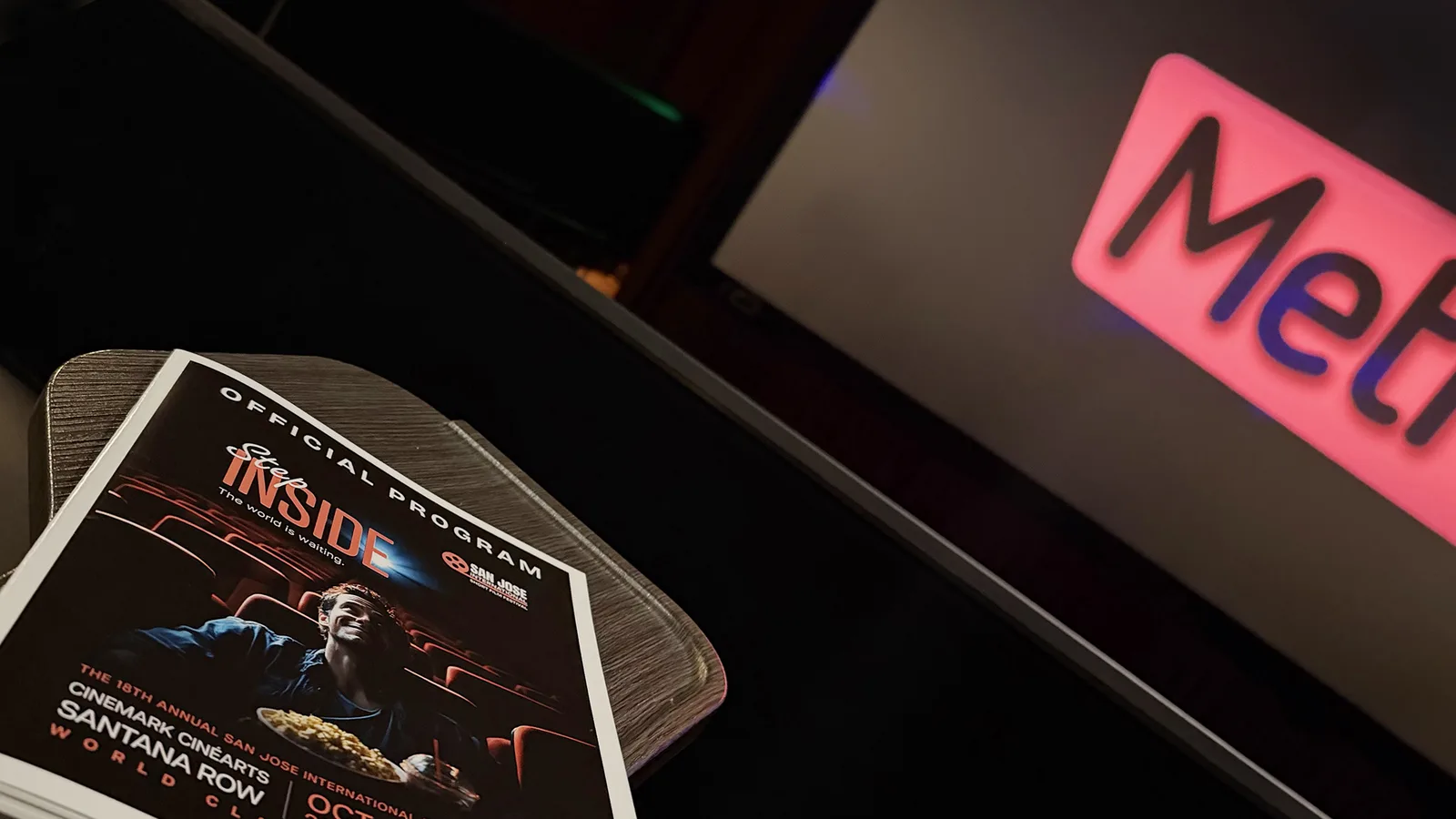
The San Jose International Short Film Festival is a four-day festival of short films from around the world, held every October at Cinemark’s CineArts Theatre at Santana Row in Silicon Valley.
- Submissions for 2027 open December 1, 2026 on FilmFreeway.
- Runtime: 60 seconds to 40 minutes, including credits, in any genre. Films under 5 minutes are especially welcome.
- Entry fees: $35 earlybird, $45 regular, $55 late and $65 extended.
- No premiere requirement. West Coast, US and world premieres are encouraged, and the festival prefers films that haven’t been widely distributed online.
- Oscar qualifying: the jury’s Best of the Fest winner is Oscar qualified, and SJSFF is on the Academy’s Short Films Qualifying Festival List for the 98th and 99th Academy Awards.
- For selected films: 4K DCP projection with up to 5.1 surround sound, filmmaker Q&As and the Filmmaker & VIP Lounge, and a permanent film page in the SJSFF Screening Room.
Full details are on our Film Submission page, and answers to common questions are in our FAQ.
Frequently Asked Questions
How much does it cost to submit a short film to a festival?
Entry fees vary by festival and rise as the deadlines pass, so submitting early costs less. At SJSFF, fees run from $35 at the earlybird deadline to $65 at the extended deadline. If your film is selected, also plan for an exhibition copy such as a DCP, subtitles if needed, and travel.
What’s the difference between earlybird, regular, late and extended deadlines?
They’re successive submission deadlines for the same festival, each with a higher entry fee. Submitting by the earlybird deadline costs least, and the extended deadline is the final chance to enter.
Can I submit a short film that’s already online?
Check each festival’s rules first. Some festivals only accept premieres, and a public online release can also affect Academy Award eligibility. A private, password-protected screener link is the usual way to submit.
How can a short film qualify for the Oscars through a festival?
By winning a designated award at a festival on the Academy’s Short Films Qualifying Festival List; selection alone doesn’t qualify a film. At the San Jose International Short Film Festival, the jury’s Best of the Fest winner is Oscar qualified. Check the Academy’s current rules at oscars.org.
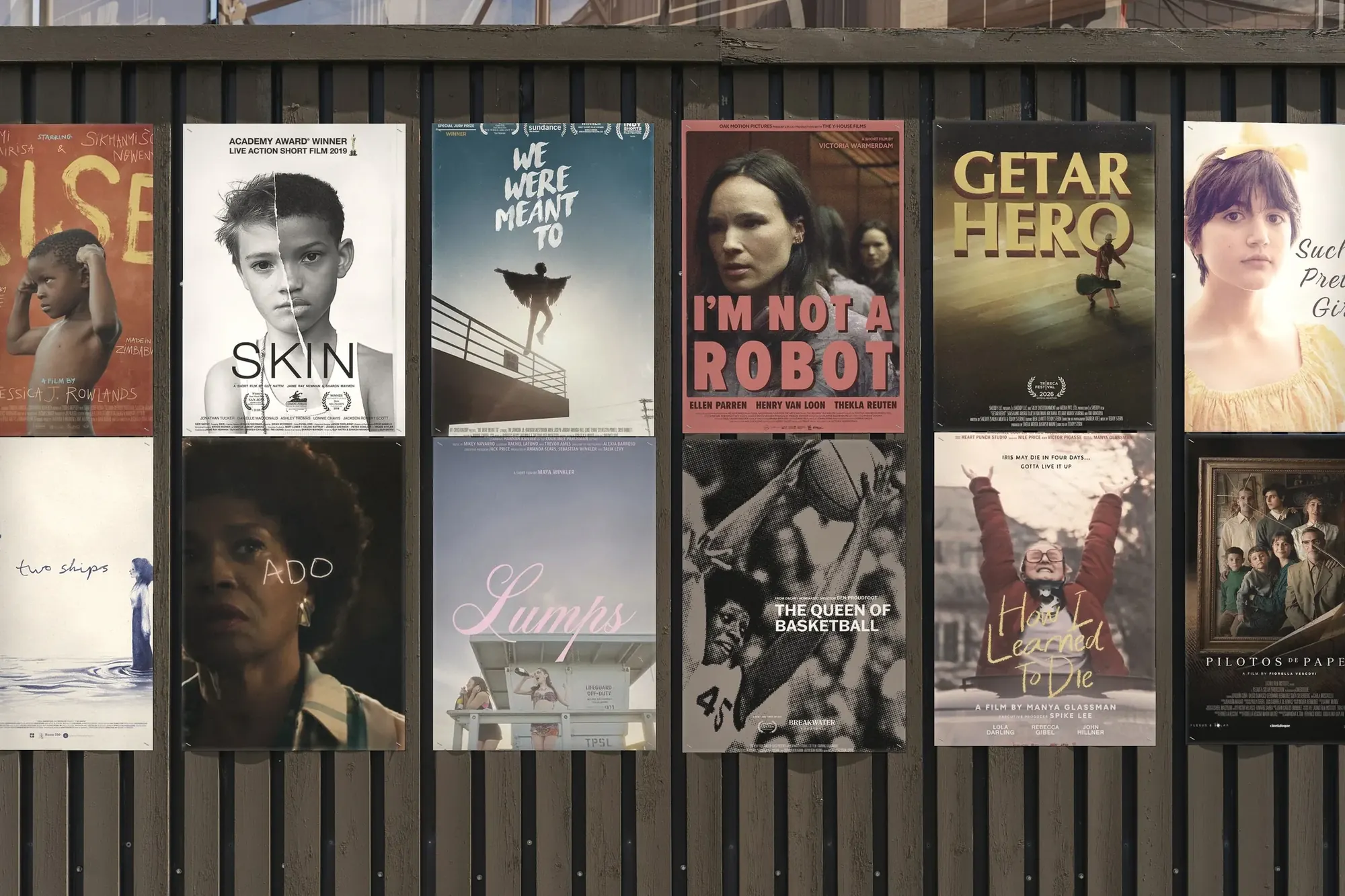
Header image: SJSFF festival posters on a wall, from a photo by Artem Polezhaev on Unsplash.